

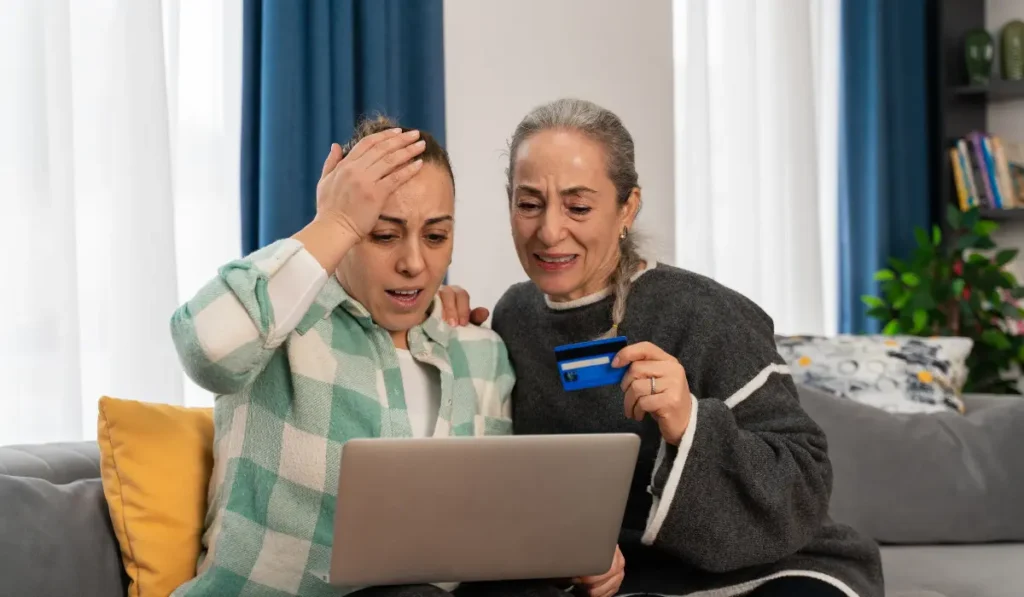
A scam can start with something small: a phone call during dinner, a text about Medicare, a letter that looks official, or a social media message from a stranger. Scammers know how to sound calm, urgent, or friendly.
For family caregivers, protecting a senior loved one from scams does not mean taking over every choice. It means helping your loved one spot warning signs, protect sensitive information, and know what to do before money leaves the bank account.
Key Takeaways
- Scammers often use urgency, secrecy, impersonation, and unusual payment requests to target older adults.
- Account alerts, safer phone settings, privacy checks, and careful document handling can reduce financial fraud risk.
- A clear response plan helps your loved one pause, save proof, report the scam, and avoid repeat fraud attempts.
- Home care support can give family caregivers more consistent insight when scam concerns are part of a larger safety issue at home.
Recognize Scam Warning Signs
Before your loved one responds to a call, text, email, or new online contact, help them check for these warning signs.
Urgent Demands for Gift Cards or Cryptocurrency
Scammers often push older adults to act before they can think. They may demand gift cards, cryptocurrency, a wire transfer, or a credit card payment for a fake emergency. Real government agencies, health care offices, and financial institutions do not demand payment that way over the phone.
When the payment method sounds strange, treat it as one of the clearest red flags.
Calls From Fake Government Agencies
Impersonation scams often come from imposters claiming to work for Medicare, the IRS, Social Security, or another agency. They may ask your loved one to “confirm” a Social Security number, Medicare number, bank account, or other sensitive information.
The phone number may even look real. Tell your loved one to hang up and use a trusted .gov website or official letter to make contact.
Messages That Ask for Passwords or Remote Access
Phishing emails, texts, and tech support scams often warn that a phone, computer, or account has been hacked. Fraudsters may ask your loved one to click a link, share a code, or allow remote access.
Once they get in, they can change passwords, view private details, or reach financial accounts. No one should get login information from a surprise message.
New Relationships That Turn Into Money Requests
Romance scams and grandparent scams use trust, fear, or loneliness. A scammer may build a friendly connection on social media, then ask for help with travel, bills, or a medical issue.
Another may pretend to be a grandchild in trouble and beg for secrecy. Any new contact who asks for money or silence deserves a pause and a second opinion from trusted family members.
Secure Money, Devices, and Accounts
Once your loved one knows what to watch for, help them put a few simple safeguards in place before a scammer reaches out.
Add Bank and Credit Card Safeguards
Financial protection works best when small alerts are already in place. Help your loved one set up notices for large withdrawals, unusual credit card charges, new payees, and password changes.
Many financial institutions can add a trusted contact without giving that person control of the bank account. This helps caregivers catch suspicious activity early without taking over daily spending.
Reduce Risky Phone Calls and Messages
Repeated phone calls can wear older Americans down. Block known scam numbers, label trusted contacts clearly, and consider silencing unknown callers if it fits your loved one’s routine. Remove saved payment information from apps that are easy to misuse.
A simple rule helps: if someone calls first, your loved one should not share private details during that call.
Protect Medicare and Health Care Information
Medicare numbers, Medicaid cards, and health care details should be guarded like financial information. Scammers may offer free medical equipment, new benefits, refunds, or insurance updates to get those numbers.
If a card is lost, stolen, or used in a suspicious way, contact the right agency quickly. Fast action can limit elder fraud tied to identity theft or false billing.
Keep Social Media Details Limited
Fraudsters use social media to learn names, birthdays, travel plans, family roles, and daily habits. Those details can make impersonation sound believable.
Help your loved one review privacy settings, remove a public phone number, and avoid friend requests from strangers. Less public information gives scammers less to use in senior scams.
Create a Scam Response Plan
Even with safeguards in place, your loved one still needs a simple plan for what to do when something feels wrong.
Pause Before Sending Money
A scam response plan should be easy to remember under stress. Use one rule: no money moves during fear, pressure, or secrecy. Your loved one can say, “I need to talk to my family first,” then hang up or stop replying.
That pause can stop sweepstakes, grandparent scams, fake debt threats, and other financial scams before damage is done.
Save Proof Before Deleting Anything
If something feels wrong, save the phone number, text, email, letter, receipt, screenshot, username, or voicemail. Do not click more links or keep talking to the sender.
These details can help financial institutions, the FTC, law enforcement, or the Internet Crime Complaint Center understand the financial fraud attempt and connect it to later suspicious activity.
Report the Scam to the Right Place
Report fraud through ReportFraud.ftc.gov, the Federal Trade Commission’s reporting site. If money was stolen, threats were made, or elder abuse may be involved, contact local law enforcement.
Online financial exploitation can also be reported to the Internet Crime Complaint Center. For extra guidance, the elder fraud hotline can help your loved one decide what to do next.
Watch for Second-Round Scams
After a scam attempt, fraudsters may call again pretending to be investigators, refund agents, recovery companies, or tech support. They may promise to get the money back for a fee.
This is another form of financial abuse. Real help will not require gift cards, cryptocurrency, passwords, or remote access.
Check In Without Taking Over
Keep scam check-ins calm and respectful by making them part of the support you already give, not a separate interrogation.
Ask About Calls and Mail During Normal Visits
Scam check-ins feel easier when they fit into visits you already make. While sorting mail at the kitchen table or helping with an appointment reminder, ask, “Any strange phone calls, letters, or texts this week?”
This keeps the conversation calm. Older adults are more likely to share warning signs when they do not feel blamed.
Review Accounts Only With Permission
Adult children of Medicaid recipients may worry about bank account activity, benefits, or credit card charges, but trust still matters. Ask first. You might say, “Would it help if we looked together for charges you do not recognize?”
This keeps the focus on safety, not control, and makes future financial protection talks easier.
Keep Your Loved One Involved in Decisions
A loved one who has been targeted may feel embarrassed or afraid of losing independence. Keep them part of the choices. They can decide which family members receive alerts, where cards are stored, or which phone settings to change.
Clear choices help prevent elder abuse while protecting dignity.
Bring in Help When Risk Grows
Missing money, unpaid bills, repeated losses, sudden secrecy, or fear tied to a new contact can point to financial exploitation. Bring in trusted family members, a qualified professional, or law enforcement when needed.
The goal is to stop harm, identify where the risk is coming from, and put safer support around your loved one.
Get Home Care Support for Safer Check-Ins
Home care support can help when a senior loved one lives alone or family members cannot visit as often as they want. Professional caregivers are not fraud investigators and should not manage private finances.
Still, regular home care can make changes easier to notice, such as confusing mail piling up, repeated phone calls, missed meals, stress after a message, or trouble keeping track of appointments.
Friends & Family Home Care Services helps families put steady support around older adults at home. If scam risk is showing up along with memory concerns, missed routines, worry, or isolation, home care services can help you understand what is happening day to day and choose the right next step.
A safer check-in starts with knowing what your loved one is facing at home.
FAQs
What are the most common scams targeting seniors?
Common scams include Medicare impersonation, IRS threats, tech support scams, romance scams, sweepstakes claims, grandparent scams, and phishing messages. Most rely on fear, urgency, secrecy, or requests for sensitive information.
What should my loved one do after sharing financial information?
They should contact the bank, credit card company, or financial institution right away. Change passwords, watch for suspicious activity, save proof, and report the incident through ReportFraud.ftc.gov or law enforcement if money was stolen.
How can I talk about scams without upsetting my parents?
Start with real examples, not blame. Say scammers target many older adults and use polished tricks. Ask what calls, letters, or messages they have received, then offer one simple safeguard at a time.
Can home care help prevent senior scams?
Home care can support safer routines and regular check-ins. Caregivers may notice unusual mail, repeated phone calls, confusion, or stress. Family members can use those observations to follow up and protect their loved one sooner.
