

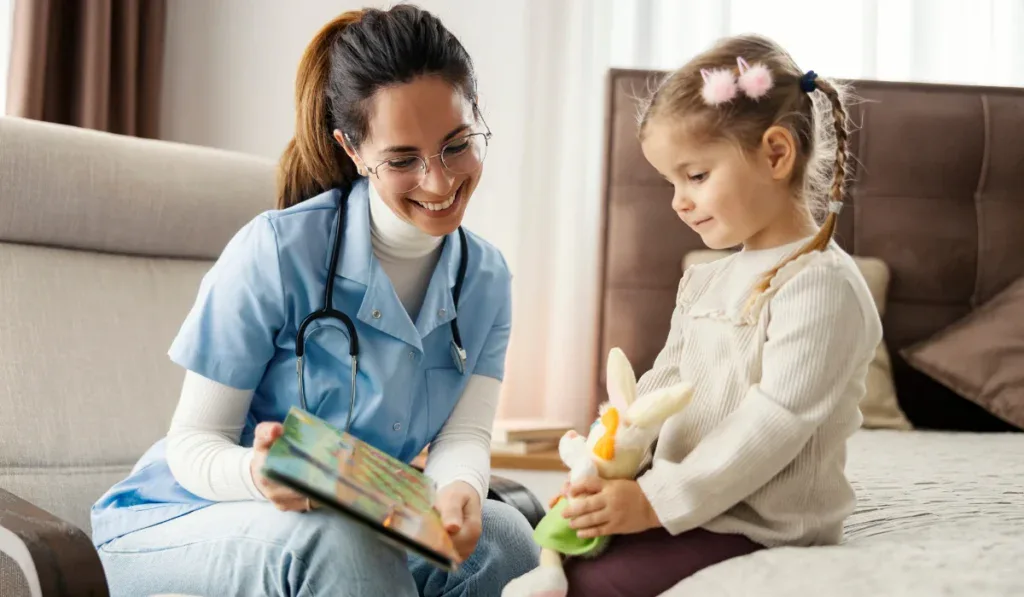
Caring for a child with medical needs or special needs can feel like a full-time responsibility. In Queens, where daily life already moves fast, many families struggle to balance appointments, school, and work while making sure their child gets the right support.
That is where pediatric home care becomes a practical option. Instead of traveling back and forth to clinics, your child can receive consistent home health care in a familiar setting. This often makes daily routines easier and less stressful for everyone involved.
With Medicaid in New York, many families can access pediatric home care services without paying out of pocket. Across NYC, including Brooklyn and the Bronx, more parents are choosing home care to better support their child’s health, comfort, and overall well-being.
Key Takeaways
- Pediatric home care allows children to receive care in their own homes
- Medicaid in New York may cover a range of home health care services
- A doctor’s referral is the first step to begin services
- Care plans are tailored to your child’s unique needs and daily routine
How Pediatric Home Care Can Begin
Getting started with pediatric home care in Queens may seem complicated at first. However, when you break it down into steps, the process becomes much easier to follow.
Doctor Referral
To begin, your child’s doctor provides a referral for pediatric home care. This document explains your child’s medical needs, whether they involve chronic conditions, developmental disabilities, or recovery after a hospital visit.
In many parts of New York, doctors work closely with care management teams. As a result, once the referral is submitted, families are quickly connected with a home health agency so services can begin.
Assessment and Care Plan
Next, a pediatric home nurse or care coordinator completes a full assessment. This step looks at your child’s medical needs, daily living challenges, and any therapies, such as occupational, physical, or speech therapy.
Based on this evaluation, a personalized care plan is created. This plan outlines the type of home care services your child will receive. More importantly, it ensures every service supports your child’s daily routine and long-term development.
Choosing Caregivers
After the care plan is approved, you can choose caregivers who match your child’s needs. Depending on the situation, this may include home health aides, skilled nursing professionals, or pediatric nursing specialists.
Having the right caregivers in your home can make a big difference. Not only do they support your child’s medical needs, but they also help create a stable and comfortable environment for your family.
What Medicaid-Covered Help May Include
Once services begin, pediatric home care can cover a wide range of support. These services focus on both medical care and everyday needs, helping your child stay safe and comfortable at home.
Skilled Nursing
For children with complex medical needs, skilled nursing is often essential. Nurses can monitor children’s vital signs, manage medications, and assist with home equipment.
For example, children with cerebral palsy or other chronic conditions often need ongoing nursing care. Receiving this care at home helps reduce hospital visits while maintaining consistent treatment.
Home Health Aides (HHA)
In addition to nursing care, home health aides assist with activities of daily living. This includes bathing, dressing, meal preparation, and general supervision.
Across NYC, from Queens to Staten Island, many families rely on home health aides for daily support. An experienced HHA helps maintain routines while improving your child’s quality of life.
Therapy Services
Therapy is another key part of pediatric home health. Services such as occupational therapy, physical therapy, and speech therapy help children build skills over time.
When therapy happens at home, it often feels more natural for the child. For children with autism or developmental disabilities, this setting can lead to better engagement and steady progress.
Care Management Support
At the same time, care management helps coordinate everything behind the scenes. Social workers and coordinators assist with scheduling, paperwork, and communication between providers.
This support is especially helpful in a large system like New York. It keeps services organized and ensures your child continues receiving the care they need without delays.
What Your Family May Need to Qualify
Before starting pediatric home care, it is helpful to understand the basic eligibility requirements. Knowing what to expect can save time and prevent unnecessary setbacks.
Medicaid Eligibility
First, your child must qualify for Medicaid. Eligibility depends on income, household size, and medical need. In New York, many families are eligible even if they are unsure at first.
Medicaid plays a central role in covering home care and other health care services. As explained in this resource, the program verifies financial and medical eligibility to ensure that the right support is provided.
Medical Necessity
Next, your child must have documented medical needs. This may include chronic conditions, special needs, or ongoing treatment that requires professional support.
The referral and assessment processes work together to confirm this. Once approved, your child can receive services that match their specific condition and daily needs.
Safe Home Environment
Finally, your home must be safe for caregivers to provide care. This usually means having enough space and a stable environment for services to take place.
Even in smaller apartments across Queens, Brooklyn, or the Bronx, families can still qualify. The focus is on ensuring care can be delivered safely in your child’s home.
Ask About Pediatric Home Care in Queens
If you are thinking about pediatric home care, it helps to ask questions early. Many families in Queens are not aware of how flexible these home care services can be.
For example, you can ask about caregiver availability, therapy options, and how often services can be adjusted. As your child grows, their needs may change, and your care plan should reflect that.
Families across NYC, including Nassau and Westchester, are choosing pediatric home health because it allows children to stay in familiar surroundings. This approach supports both medical care and emotional comfort.
Making the Right Pediatric Home Care Choice in Queens
Choosing pediatric home care with its own home care training school is about finding support that fits your child’s daily life. With Medicaid in New York, many families can access home health care services that make routines easier and more manageable.
From skilled nursing and therapy to support from home health aides, these services are designed around your child’s unique needs. As a result, your child can receive consistent, personalized care while staying in their own home.
If you are ready to take the next step, Friends & Family Home Care Services can guide you through the process from start to finish. Contact us today to schedule services and learn how pediatric home care in Queens can support your child’s health and long-term well-being.
FAQs
What is pediatric home care, and who needs it?
Pediatric home care provides health care services for children in their homes. It is designed for children with medical needs, chronic conditions, or developmental disabilities who need ongoing support with daily living and treatment.
Does Medicaid cover pediatric home care in New York?
Yes, Medicaid in New York covers many pediatric home care services. This includes nursing care, home health aides, therapy services, and care management based on your child’s eligibility.
How long does it take to start home care services?
Most families can begin services within a few weeks after receiving a referral and completing the assessment. Working with an experienced home health agency can help expedite the process.
