

Starting a career as a home health aide in New York City can open the door to steady work and meaningful service. Across Brooklyn, the Bronx, Manhattan, and Queens, families rely on trained caregivers to help loved ones stay safe and comfortable at home.
If you want to work in home care, it helps to understand the process before you apply. A home health aide supports people with daily activities, basic patient care, and routines that protect health and well-being. Once you know the training path, the timeline feels much easier to manage.
Key Takeaways
- You need a state-approved training program to work as a home health aide in New York City.
- Most students can complete training and begin applying for jobs within a few weeks.
- Your HHA training includes classroom instruction, skills practice, and a competency evaluation.
- Strong programs also prepare you for real patient care in home settings.
- The best schools offer hands-on learning, clear scheduling, and support after graduation.
- Choosing the right program can make your first job search much smoother.
- Many home care agencies need certified hhas, so demand remains strong across New York City.
- A good training path can help you enter the healthcare industry faster than many other roles.
NYC HHA Certification Requirements
Before you sign up for classes, it helps to know what schools and employers expect. While each training program may handle admissions a little differently, the main rules are consistent across New York State.
Age, Education, and Basic Readiness
Most home health aide programs expect you to be at least 18 years old and ready to work with patients in people’s homes. Some schools ask for a high school diploma or equivalent, while others focus more on your reading, communication, and ability to complete the course. Even when a diploma is not required, having a high school diploma can make hiring easier.
You also need to communicate clearly, follow instructions, and stay organized. A home care worker often documents daily activities, reports changes to a supervisor, and helps with routines that affect comfort and safety. That is why training schools look for students who are dependable and ready for direct patient care.
Health Clearance and Screening
A home health aide works closely with people who may be older, frail, or recovering from illness. Because of that, many programs require basic medical clearance, vaccination records, or tuberculosis testing before clinical training begins. These steps help protect both you and the people you serve.
Employers may also require background screening before placement. Since home care services take place in private homes, home care agencies need caregivers they can trust. This is standard in the healthcare industry and is part of preparing for responsible work.
State-Approved Training Standards
To earn HHA certification, you must complete a home health aide training program that meets state rules. In New York, the New York State Department of Health oversees standards for approved training, and some schools also coordinate with the New York State Education Department, depending on the setting. You may also hear people refer to these requirements through the NYSDOH guidance.
Training covers classroom learning and supervised skills practice. Students learn infection control, safe transfers, personal care, vital signs, and how to support care planning. At the end, you complete a competency evaluation to show that you can perform the work safely.
Step-by-Step Certification Process
Once you understand the requirements, the process becomes much more manageable. Each stage builds on the last, so it helps to think of certification as a clear path rather than a single big step.
Choose and Enroll in a Training Program
Start by selecting a home health aide training program that fits your schedule, location, and career goals. Some home health agencies and home care training school providers offer weekday, evening, or accelerated options. If you live in Brooklyn or the Bronx, location can make a big difference when you are balancing work, family, and travel time.
As you compare programs, look for state approval, a clear class schedule, and support during enrollment. A strong HHA training program should explain tuition, attendance rules, and the exact hours of training before you commit. That helps you avoid surprises later.
Complete Classroom and Skills Training
During training, you learn what a caregiver actually does each day. That includes helping with bathing, dressing, grooming, meal support, safe movement, and other daily activities. You also learn how to notice changes in condition and report them correctly.
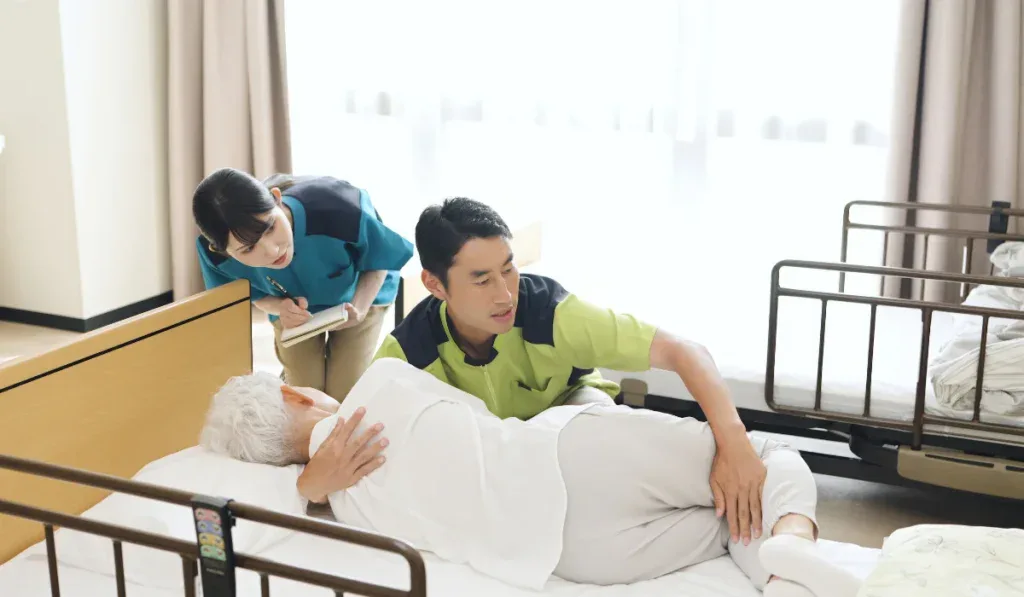
The hands-on portion is just as important as the classroom work. Students practice basic patient care skills under supervision, often with guidance from a registered nurse. That practical experience helps you feel more prepared before working one-on-one with clients.
Pass the Competency Evaluation
After training, you move to the competency evaluation. This step confirms that you understand the material and can perform the required tasks safely. In many cases, the evaluation includes both written and skills-based testing.
This part matters because employers want proof that a certified home health aide can handle real responsibilities. Whether you later work in pediatric home care, general home health care, or with older adults, strong preparation helps you begin with confidence.
Receive Documentation and Begin Applying
After you pass, you receive a certificate of completion and become eligible for work through approved employers. Some agencies verify credentials through a home care registry or internal tracking system before assignment. Either way, completion of an approved home health aide training program is what opens the door.
At that point, many students begin applying to home health agencies, home care agencies, and providers of home care services across New York City. Some also compare HHA roles to PCA positions, since personal care aides and HHA workers both provide in-home care, though their job duties can differ.
How Long Each Step Takes
One reason many people choose this field is the short training window. Compared with other healthcare roles, becoming an HHA is often faster and more direct.
Enrollment and Admission
Enrollment can take a few days or up to two weeks, depending on the school. If the program needs records, screening, or an interview, the process may take a little longer. Programs with organized admissions teams usually move faster and make the first step less stressful.
Training Hours and Course Completion
Most home health aide programs can be completed in two to four weeks, depending on class frequency. Full-time students usually finish sooner, while part-time students may need a longer schedule. Before enrolling, ask exactly how the training hours are distributed across the calendar.
Training should not feel rushed. A good home health aide program gives you enough time to learn the material, practice safely, and ask questions before the final evaluation.
Evaluation, Hiring, and First Placement
The competency evaluation often takes place shortly after class ends. Once you pass, some employers begin interviews right away, especially when they are hiring for ongoing home care needs in Manhattan, Brooklyn, and nearby areas.
In many cases, students can move from class to job search within a few weeks total. That fast timeline is one reason certified HHS, PCA workers, and other caregivers continue to enter this part of the healthcare field.
How to Choose an HHA Training Program
Not every school offers the same value, so choosing carefully can save time and frustration. The right program should help you learn the job, finish on schedule, and move into work with confidence.
Look for State Approval and Clear Standards
First, confirm that the school offers an approved HHA training program. A legitimate program should clearly explain its standards, training structure, and expected outcomes. If the information feels vague, that is usually a sign to keep looking.
You should also ask who teaches the course and how students are evaluated. Programs led by experienced healthcare instructors often do a better job connecting classroom lessons to actual home care work.
Prioritize Hands-On Learning
A strong program does more than review terms from a textbook. It shows you how to help real people with movement, hygiene, comfort, and safe routines. That matters because home health care depends on calm, practical skill, not memorization alone.
Hands-on learning also prepares you to work with different clients. Whether you support seniors, children in pediatric home care, or adults who need help at home, practice improves confidence and judgment.
Ask About Job Support and Continuing Education
Some schools only train students, while others also help with hiring. It is smart to ask whether the program connects graduates with home care agencies, home health agencies, or other employers. That support can make a big difference when you are entering the field for the first time.
You should also ask about continuing education. Over time, many caregivers gain experience, move into related roles, or develop skills that strengthen their long-term careers in home care services.
Get Guidance on Starting Home Care
Becoming a home health aide in New York City is a practical way to start a meaningful career without spending years in school. Once you complete training, pass the competency evaluation, and receive your certificate of completion, you can begin serving families who need reliable help at home.
If you are ready to take that next step, Friends & Family Home Care Services can help you learn more about training, job opportunities, and how to start in-home care. Contact us to schedule your next step and find the right path toward becoming a home health aide.
FAQs
How long does it take to become a home health aide in New York City?
Most students complete a home health aide training program in about two to four weeks. The full timeline depends on the class schedule, admissions process, and how quickly you complete the competency evaluation and begin applying for jobs.
Do you need a high school diploma to enroll in an HHA training program?
Some schools require a high school diploma or equivalent, while others focus more on basic reading, communication, and readiness for training. Even when it is optional, a diploma can still help when you apply to employers.
What is the difference between an HHA and a PCA?
Both roles support people at home, but an HHA typically undergoes more extensive training and may handle more health-related tasks. Personal care aides often focus more on daily activities such as bathing, dressing, meal help, and household support.
