


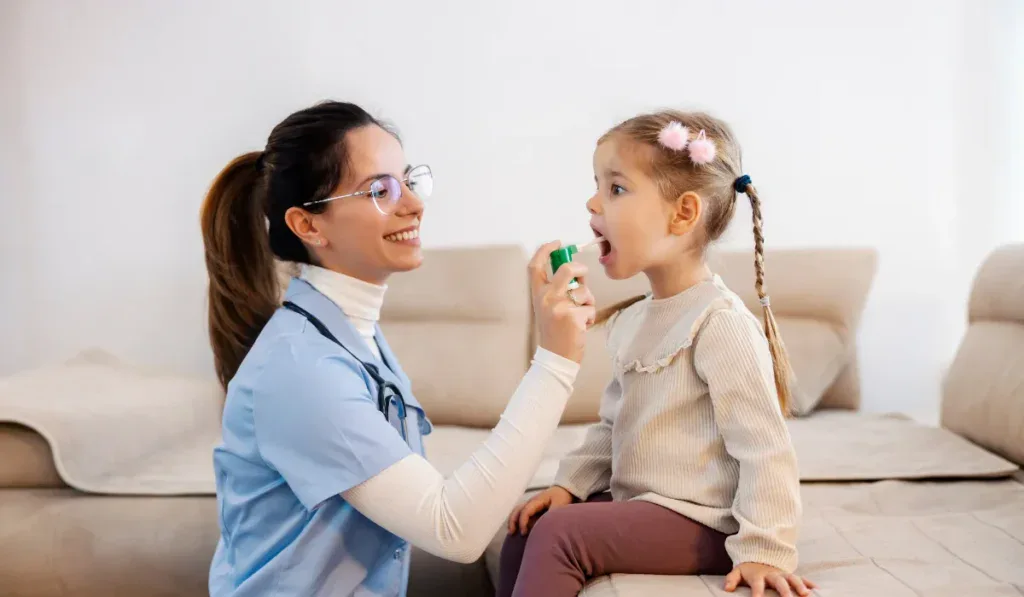
Pediatric home care gives children a way to receive certain health and personal care services where they live. For families in New York, that can mean less disruption to school, meals, sleep, and daily routines while a child receives help with medical or functional needs.
The type of pediatric home care a child receives depends on what they need help with. Some children need pediatric nursing care at home because they require clinical monitoring or treatments. Others need assistance with bathing, dressing, eating, mobility, or other activities of daily living. A child may also receive pediatric home health services such as therapy when the service is medically necessary and approved.
Who qualifies is not determined by one diagnosis or one age cutoff. Pediatric home care eligibility usually depends on the child’s condition, how that condition affects daily life, the level of help required, and the rules of Medicaid or another health plan.
Key Takeaways
- Pediatric home care can include skilled nursing services, personal care services, and certain therapy services at home.
- A diagnosis alone usually does not determine eligibility. Medical documentation, functional needs, and a home care assessment may all play a role.
- Families should start with the child’s doctor, confirm the correct benefit with Medicaid or another insurer, and then choose a qualified provider for the approved service.
What Pediatric Home Care Means in New York
Pediatric home care is health-related or personal assistance provided to a child in the home. It is different from regular babysitting because the care is connected to a medical condition, disability, injury, developmental need, or functional limitation. Depending on the child’s needs, services may be provided by a nurse, therapist, home health aide, or another qualified care professional.
Children who need in-home care do not all have the same health problems. Some medically complex children require frequent monitoring or nursing procedures. A child recovering from an illness may need support for a shorter period. Another child may have a long-term disability that makes everyday activities harder to complete safely without another person’s help.
The need for ongoing support during childhood is not unusual. The Centers for Disease Control and Prevention (CDC) reports that about 1 in 6 children ages 3 through 17 had one or more developmental disabilities during the 2009 to 2017 study period. A developmental disability does not automatically make a child eligible for home care, but it shows how many families may be managing ongoing developmental or functional needs.
How Pediatric Home Health Care Differs From Child Care
A nanny or babysitter usually provides supervision and routine child care. Pediatric home health care focuses on needs related to a child’s health or ability to function safely. That could involve help with personal care, a prescribed treatment, clinical observation, or tasks listed in an approved plan of care.
The distinction affects how services are authorized. Health coverage generally looks for a documented medical or functional reason for the service. A parent’s need for child supervision is different from a child’s need for covered home care for children with health-related limitations.
Who Qualifies for Pediatric Home Care in New York?
A child may qualify for pediatric home care when an illness, disability, injury, or developmental condition creates a documented need for help at home. The diagnosis is only part of the picture. Reviewers also look at what the child can do independently, where hands-on assistance is needed, and whether the requested service matches that need.
Consider two children with the same diagnosis. One may eat independently, dress with minimal help, and move safely around the home. The other may need physical assistance with feeding, bathing, transfers, medical equipment, or treatments several times a day. Those differences can lead to different care recommendations even when the underlying diagnosis is similar.
Medical documentation is usually part of the eligibility process. A doctor or another authorized provider may need to describe the child’s condition, functional limitations, and why a particular service is needed at home. Depending on the benefit, the child’s health plan may also ask for medical records, a physician order, prior authorization, or a formal home care assessment.
What a Home Care Assessment May Review
An assessment may look at mobility, feeding, dressing, toileting, communication, treatments, safety needs, and the amount of help the child requires during the day. It can also help determine whether the child needs a home health aide for children, skilled nursing care, therapy, or another form of support.
| Eligibility Factor | What It Helps Establish |
| Medical condition | Whether a documented condition is connected to the request |
| Functional needs | Which daily activities the child can and cannot complete safely |
| Level of assistance | Whether the child needs supervision, hands-on help, or clinical care |
| Medical documentation | Why a provider believes care at home is needed |
| Home care assessment | How the child’s needs affect everyday routines |
| Requested service | Whether nursing, personal care, therapy, or another service fits the need |
| Coverage rules | Whether the service is covered and authorization requirements are met |
Clear examples are more useful than broad statements. If a child needs help eating, describe what that help actually involves. The same applies to bathing, mobility, dressing, toileting, and medical routines.
What Pediatric Home Care Services May Be Covered?
Pediatric home care is a broad term. It can include several service categories, and each one addresses a different type of need. Families should ask which specific benefit is being considered rather than assuming all home-based care falls under the same rules.
Skilled nursing services are used when care requires nursing training and judgment. Depending on the authorized plan of care, pediatric nursing care at home may include clinical monitoring, prescribed treatments, medication-related tasks, or other nursing procedures. These services must be performed by a professional who is qualified to provide that level of care.
Personal care services focus more on activities of daily living. A child may need help with bathing, grooming, dressing, eating, toileting, or moving safely through the home. A home health aide for children or another qualified worker may provide this type of assistance when it is covered and authorized.
Comparing Common Pediatric Home Health Services
| Service | Main Purpose | Examples |
| Skilled nursing | Provides care that requires nursing skill | Clinical monitoring, nursing procedures, prescribed treatments |
| Personal care | Helps with activities of daily living | Bathing, dressing, feeding, toileting, mobility |
| Physical therapy at home | Supports movement and physical function | Strength, balance, mobility, movement exercises |
| Occupational therapy at home | Supports functional daily skills | Using hands, adapting tasks, improving independence |
| Speech therapy at home | Supports communication or swallowing | Speech, language, feeding, or swallowing treatment when appropriate |
A serious diagnosis does not always mean a child needs nursing. The service should match the task. A child who needs hands-on help getting dressed may have different care needs from a child who requires clinical monitoring several times a day.
How Medicaid Pediatric Home Care Works
Medicaid can help cover qualifying home-based services for children in New York. The exact benefit depends on the service requested, the child’s documented needs, and the rules that apply to the child’s coverage.
Children and young adults under age 21 also receive protections through a federal Medicaid benefit. Under the Early and Periodic Screening, Diagnostic, and Treatment benefit, states must arrange medically necessary services within federal Medicaid benefit categories when those services are needed to correct or improve an eligible child’s physical or mental condition.
That does not mean every request for Medicaid pediatric home care is automatically approved. Medical necessity still needs to be documented, and the correct authorization process must be followed. A Medicaid managed care plan may have its own requirements for records, assessments, prior authorization, and participating providers.
The population that may need more than routine health care is substantial. The federal Maternal and Child Health Bureau reports that about 1 in 5 children and youth have a special health care need. That category is broader than pediatric home care eligibility, but it includes children who use more health services than children generally.
Ask Which Medicaid Benefit Is Being Requested
Parents can save time by asking the health plan to name the specific benefit under review. “Home care” may refer to pediatric home health services, private duty nursing for children, personal care, therapy, or another covered service.
Once you know the benefit, you can ask better questions. Find out what documentation is required, whether a home care assessment is needed, who makes the authorization decision, and which providers can deliver the approved care.
How Families Get Started With Pediatric Home Care
Start with your child’s doctor or specialist. Describe what daily life at home actually looks like. Explain which tasks your child cannot complete safely, what medical treatments take place at home, how much physical help is needed, and whether care needs continue overnight.
Specific details make the conversation more useful. Saying that your child “needs help eating” can mean several different things. Your child might need food prepared in a certain way, physical feeding assistance, close observation, or a medically related feeding procedure. Those details can affect which service is appropriate.
Confirm Coverage and Prepare for the Assessment
Next, contact your child’s Medicaid plan or other insurer. Ask what pediatric home health care benefit applies and what must happen before services can begin. The plan may request an order, referral, medical records, assessment, or prior authorization.
If an assessment is scheduled, describe your child’s usual needs rather than focusing only on an unusually good day. Reviewers need an accurate picture of how much assistance is required during normal routines.
Keep the Right Records Together
Keep current diagnoses, medications, specialist information, recent hospital records, treatment plans, insurance information, and authorization notices in one place. These records can make it easier for the doctor, health plan, and home care provider to understand the same set of needs.
A simple daily care record can help too. Note which activities require assistance, how often they happen, and what kind of help your child needs. That can provide useful context when a plan of care is being developed or reviewed.
Choosing Pediatric Home Care for Your Child in New York
The most useful first step is straightforward: document what your child actually needs before trying to choose the service. Ask the child’s doctor to describe the medical and functional needs clearly. Then confirm with Medicaid or another insurer which benefit applies and what authorization is required.
Once the service is approved, look for a provider that can deliver that specific level of care. Ask what pediatric home care services the agency provides, which professionals deliver them, and how changes in the child’s needs are handled.
Families in Brooklyn, the Bronx, Queens, Manhattan, and other parts of New York can contact Friends & Family Home Care Services to discuss available pediatric home care services and learn what information may be needed to begin the process.
Frequently Asked Questions
Can a child get pediatric home care through Medicaid in New York?
A child enrolled in Medicaid may qualify for covered home-based services when the requirements for that benefit are met. Approval can depend on medical or functional needs, supporting documentation, an assessment, and authorization rules. The type and amount of care can differ from one child to another.
What conditions qualify a child for pediatric home care?
There is no single diagnosis that guarantees approval. Children with chronic illnesses, disabilities, developmental conditions, injuries, or complex medical needs may qualify when those conditions create a documented need for covered care at home.
Does pediatric home care include a nurse?
It can. A child may receive pediatric nursing care at home when the required tasks call for nursing skill and the service is medically necessary, documented, and authorized. Children who mainly need help with activities of daily living may receive personal care instead.
Can a child receive physical, occupational, or speech therapy at home?
Home-based therapy may be available when the child’s needs, insurance benefit, medical documentation, and authorization requirements support it. Physical, occupational, and speech therapy each address different goals, so eligibility for one type does not automatically mean another will be covered.
How do I start pediatric home care in New York?
Start by telling your child’s doctor exactly what help is needed at home. Then contact the child’s Medicaid plan or insurer to ask which benefit applies, what documents are required, and whether an assessment or prior authorization is needed. After approval, choose a qualified provider that offers the authorized service.
