

Caring for a loved one in New York often needs more help than one person can give. When you hire a personal care aide, the goal is steady help with daily living while your family keeps its routine.
Many families choose home healthcare, so seniors stay safe and comfortable in the neighborhoods they know. Families often wonder how to split tasks and build a good working relationship with a new aide.
A personal care aide brings skills, training, and patience, but a smooth start still depends on clear talk and clear expectations. The right approach helps everyone work toward the same goal.
New York families face fast workdays, long commutes, and busy homes. When caregivers and aides work well together, the house feels calmer, and your loved one’s quality of life improves. This guide shows you how to build strong teamwork.
Key Takeaways
- Strong communication helps families and aides understand clients’ needs.
- Personal care services support daily tasks and reduce caregiver stress.
- Clear routines help home health aides deliver consistent patient care.
- A supportive partnership leads to better well-being for loved ones.
Understanding the Role of a Personal Care Aide
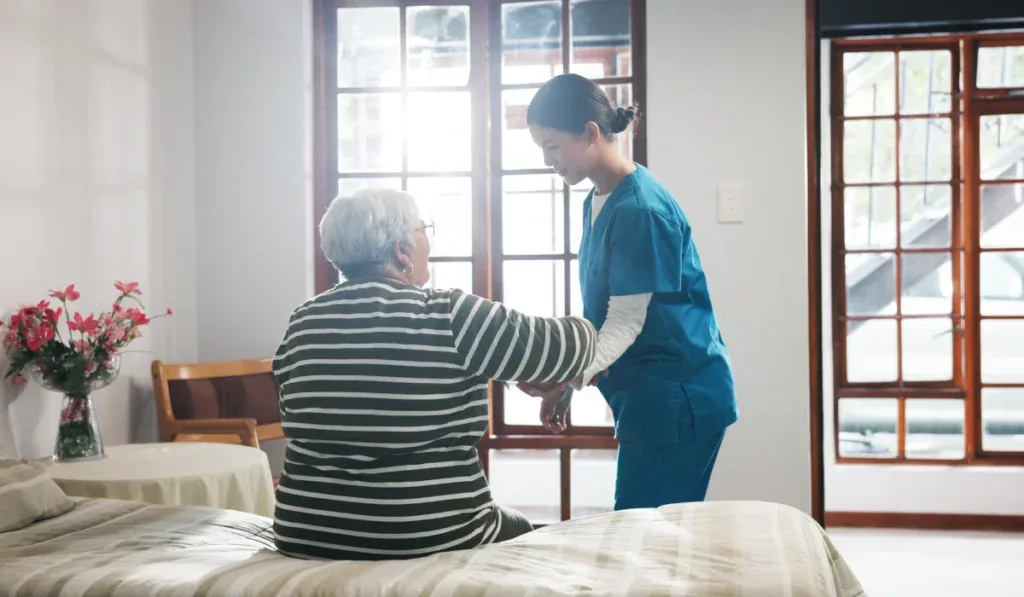
Before you start, it helps to know what a personal care aide does. Many New York seniors rely on a PCA for bathing, toileting, dressing, and other activities of daily living that help them move safely at home. These daily tasks need patience and people skills, and trained aides bring both.
Families often seek help when they see signs that a parent needs an aide. Common signs include falls, skipped meals, medication issues, or a drop in personal hygiene.
When these changes occur, a personal care assistant provides steady daily support, keeping your loved one safe and comfortable at home. A personal care aide also cooks simple meals, gives medication reminders, and follows the care plan from the home care agency.
Many seniors prefer in-home care because it keeps them near friends, familiar places, and daily routines.
How Families and Aides Build Trust From the Start
Working with a personal care aide starts with an open conversation. In the first visits, share your loved one’s preferences, diet, daily tasks, and routines that matter.
Many aides have HHA or CNA formal training or on-the-job training, but your input still shapes how care works at home.
Use a simple notebook or phone note so caregivers, family, and nurses can log updates. This small step prevents confusion and keeps the routine steady. For busy New York families, including those with full-time work, this system keeps everyone informed, even when you are not home.
A personal care aide focuses on care and respects your loved one’s comfort. Families value steady support from their care provider, and aides feel respected when everyone speaks with care. Over time, shared understanding makes the home run smoother.
Personal Care Aides as Part of a Larger Healthcare Team
Seniors with chronic health conditions often rely on more than one type of support. Working with personal care aide services connects your family to a broader network of healthcare professionals who help guide care. In many cases, registered nurses oversee care plans and check that your loved one’s personal care services match their needs.
This point ties directly to the role of a personal care aide in supporting seniors with chronic illness. A PCA may help remind clients about medications, note sudden changes in appetite, or monitor fatigue.
While personal care aides do not perform medical procedures, they closely observe daily living patterns. Their feedback helps nurses and doctors adjust care plans when needed.
Home health aides, personal care aides, and home attendants work with families to ensure safe care at home. This team approach helps New York seniors with long-term care needs stay at home. It also eases pressure on any one family member.
Creating a Clear Routine That Supports Clients’ Needs
A steady routine is one of the best parts of working with a personal care aide. Routines help seniors feel safe and give aides structure.
Start by listing wake time, meals, hobbies, social time, and diet needs. The aide can match care to the schedule, such as bathing assistance, simple meals, and safe movement around the home. These details protect health and help prevent falls.
Families like how a routine keeps everyone organized, even when caregivers rotate shifts. Many New York agencies ask families to list visit priorities. Your list might include laundry, light cleaning, or appointment reminders. The list helps the PCA stay focused and gives your loved one the support they need.
Essential Skills Personal Care Aides Must Have
A strong partnership grows when families understand the essential skills personal care aides must have. These include patience, careful listening, and strong interpersonal skills. Personal care requires trust, especially when supporting personal hygiene or toileting. Families rely on aides who respect privacy and maintain dignity at every step.
Aides also need skills and competency in safe transfers, light housekeeping, and meal prep. They use training and close observation to keep your loved one secure and note changes in behavior or appetite. In many homes, aides also alert the agency or nurse when something changes, helping families stay connected to healthcare services.
For New York families, strong communication from the aide is key. Busy schedules, small spaces, and fast routines make clear talk necessary. A skilled personal care assistant remains calm, handles surprises, and maintains stability in the home.
How Families Can Support a Strong Work Environment
Your approach helps create a positive work setting for your aide. Simple actions matter. Share clear instructions, keep supplies ready, and give respectful feedback so your aide feels prepared. When aides feel supported, they provide better care.
Many New York families juggle long hours or multiple jobs. So many families value how home care workers help maintain routines when life gets hectic.
When everyone shares the same goals, your loved one’s quality of life improves, and stress drops. Remember, your aide works in your home and in a professional role. Stay professional, say thanks, and check in often. These small steps build mutual respect and make care days run smoothly.
Making the Right Care Partnership for Your Family in New York
Creating a strong partnership when working with a personal care aide support helps your loved one stay safe, comfortable, and connected to daily routines. As you build clear communication, steady routines, and shared goals, the care environment becomes calmer for everyone involved. This teamwork also helps your loved one stay in the community they love, rather than moving to a nursing home or assisted living facility.
If you want support that feels reliable and straightforward, our team at Friends & Family Home Care offers home care options across New York that keep your loved one at home, comfortable, and with dignity. A thoughtful care plan and a skilled aide can make every day easier.
Contact us today and see the difference.
FAQs
How does a personal care aide differ from a home health aide?
A personal care aide helps with daily living tasks such as bathing, dressing, toileting, and meal preparation. A home health aide may perform similar duties, but also handles specific health-related tasks under nurse supervision. Both help seniors remain safely at home.
How can families prepare for the first visit from a personal care aide?
You can prepare by writing a short list of routines, dietary needs, mobility concerns, and any behaviors the aide should know about. The list helps the aide understand your loved one’s needs from day one and keeps the home calm and predictable.
Who oversees a personal care aide’s work in a home care setting?
Most aides follow a care plan created by registered nurses and approved by a home care agency. Families, healthcare professionals, and agency supervisors all stay involved to ensure the care plan remains accurate and helpful.
