


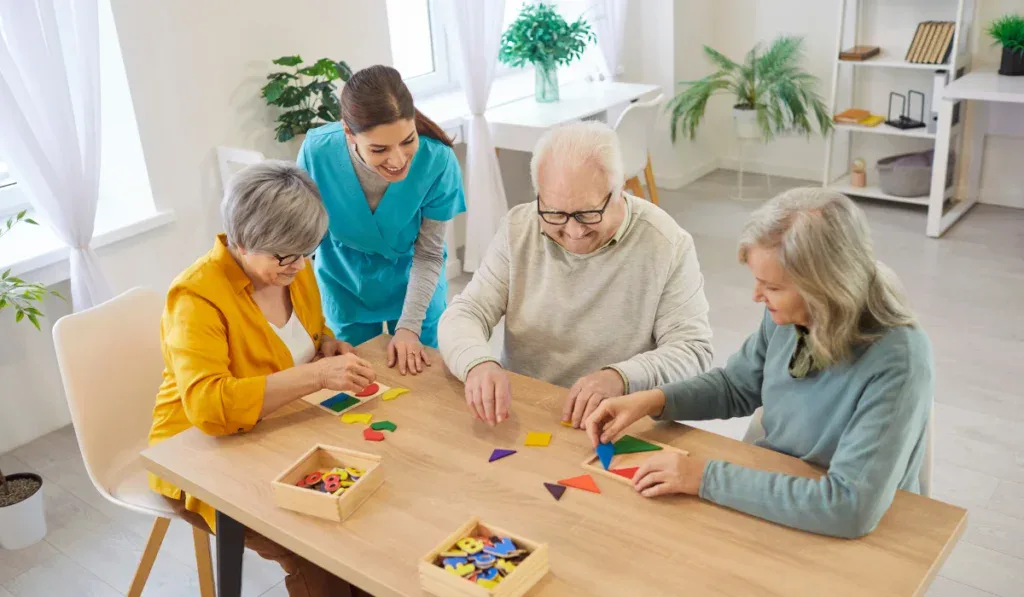
Many seniors in New York want to stay active, social, and connected as they age. Spending time with family, friends, and the community helps support emotional health. Without the proper support, loneliness can gradually disrupt daily routines and make life feel less joyful.
Personal care aide (PCA) services support seniors so they can live whole, active lives. With a reliable PCA, many seniors can stay social while remaining safe and comfortable at home. This care includes daily assistance and genuine companionship.
Across New York City and nearby communities, families use PCA services to help a loved one stay part of everyday life. These services support independence and help seniors stay connected in familiar places.
Key Takeaways
- PCA support helps seniors stay socially active and emotionally supported
- In-home care allows older adults to remain in their own homes longer
- Medicaid and private pay options help families access quality care
- Personalized care plans improve quality of life and reduce daily stress
Understanding Social Isolation Among Seniors In New York
Social isolation affects many older adults across New York City, including Brooklyn, Queens, Manhattan, and the Bronx. Limited mobility, long-term health problems, and new health limitations can reduce opportunities to see others. Over time, isolation can hurt mood and health.
Many seniors live alone and struggle with daily tasks. Simple tasks like grocery shopping or attending a local event can be difficult without help. Families often choose home care so their loved one feels less alone and can stay at home longer instead of moving to a nursing home too soon.
When families spot these challenges early, they can pick care that supports both connection and daily needs.
What A PCA Does Beyond Basic Care
Understanding the role of a personal care assistant helps families see how much more this role offers beyond physical help. A personal care aide assists with activities of daily living, including bathing, toileting, meal preparation, and light cleaning. This support helps seniors manage personal hygiene, feel comfortable, and maintain greater control over their day.
PCAs also offer companionship and emotional support. They talk with seniors, encourage hobbies, and maintain consistent routines to keep them connected. Caregivers often go with seniors on walks or outings, helping them feel safer and more confident.
This mix of companionship and assistance promotes independence and consistent care.
How Personal Care Aides Support Social Engagement
How a PCA helps a senior stay connected depends on the senior’s needs and schedule. Caregivers encourage seniors to go to family gatherings, senior centers, and community programs. These visits help seniors feel included and cared about.
Caregivers can help plan the day and arrange rides or public transit. They also help seniors call or video chat with family, which is especially important for those who do not get out much. Regular contact can help seniors feel calmer and less alone.
Across New York, these small supports help seniors stay involved while they age at home.
Working With a Personal Care Aide In Daily Life
Working with personal care aide services allows seniors to maintain familiar routines. Caregivers adapt to preferences, interests, and comfort levels. This approach builds strong relationships and trust.
Family members often notice improved mood and participation when consistent support is in place. PCAs assist with medication reminders and daily tasks, which reduces stress for both seniors and family caregivers.
This collaboration supports independence and peace of mind.
PCAs And Community Involvement In NYC
New York neighborhoods offer programs that can help seniors stay connected. PCAs help seniors participate in local activities throughout the city. Libraries, senior centers, and faith groups can help seniors feel happier and more connected.
In Brooklyn, Manhattan, Queens, and the Bronx, caregivers help seniors stay connected to neighbors and local places they know. These connections can boost mood and confidence. Staying involved in the community can make daily life better over time.
Medicaid, Medicare, And Coverage Options
Many families rely on Medicaid to cover personal care assistance. State and local agencies review income, care needs, and assessments from the Department of Social Services or the Department of Health to decide eligibility. Managed long-term care plans often include PCA services.
Medicare covers limited home health care but does not replace long-term personal care services. Some families combine coverage with private pay options to ensure continuity.
Understanding these options helps families plan effectively.
Personal Care Vs Home Health Aide Services
A personal care aide focuses on daily tasks and companionship. A home health aide (HHA) may assist with certain health-related tasks, as outlined in the care plan. Both can support care at home.
Families choose based on health conditions and the type of support needed each day. Some seniors do best with both a PCA and an HHA. Choosing the right service can make daily life more stable and comfortable.
Emotional Support And Mental Well-Being
Emotional support plays a big role in senior care. Daily time with a caregiver can reduce loneliness and worry. Seniors can feel cared about when they have steady companionship.
For seniors living with Alzheimer’s or memory loss, routines and familiar faces can build confidence. Caregivers can offer comfort and keep the day organized. Strong relationships can help seniors feel better day-to-day.
Staying Safe And Comfortable At Home
Many seniors want to stay in their own homes. In-home help can keep them safer while maintaining connections with others. Caregivers can help keep the house clean and organized.
Families may also look for ways to keep the home safer and easier to live in. Some families work with local providers, such as Friends & Family Home Care, to help keep the home safe and comfortable. Small safety steps can help prevent problems later and lower stress. A tidy, safer home can help seniors stay independent.
Private Pay And Customized Care Plans
Private pay can help families choose the PCA services they want. Care plans can change when needs change. Many families like having more choice and a plan that fits their loved one.
Home care agencies can help set schedules and match services. Caregivers can adjust routines to fit the senior’s needs. This approach can provide steady, high-quality day-to-day support.
Comparing Home Care And Assisted Living
Choosing between home care and assisted living often comes down to lifestyle, preferences, and the level of daily support needed. Some seniors prefer a familiar setting, while others benefit from a more structured environment with on-site services. Taking time to review options can help families feel more confident about the next step.
At Friends & Family Home Care, we can help explain available home care choices and answer questions about support in New York.
Contact us today to learn more about care options and receive guidance tailored to your family’s needs.
FAQs
How do PCAs help seniors stay social in New York?
PCAs provide companionship, encourage participation in activities, and support communication with family and friends.
Can Medicaid cover personal care services in New York
Yes, Medicaid covers many personal care services through managed long-term care programs, subject to eligibility.
What is the difference between a personal care aide and a home health aide
A personal care aide assists with daily living tasks, while a home health aide may support additional health-related needs.
Is in-home care suitable for seniors with chronic illnesses
Yes, in-home care supports individuals with chronic diseases by providing consistent support and personalized care plans.
