


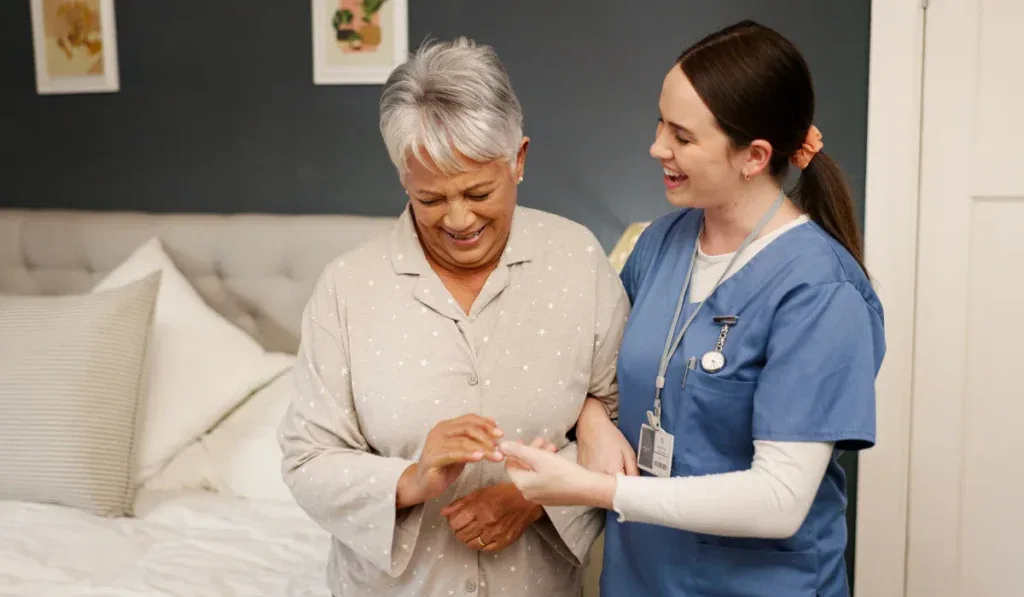
Many older adults in New York City go through changes that affect their hearing or vision. These changes often happen slowly, so they can be hard to notice at first. Over time, hearing or vision loss can make home life less safe and daily routines more difficult.
Understanding how a PCA supports seniors with vision and hearing loss in NYC helps families plan early. Personal care services help many seniors stay at home while managing age-related hearing or vision loss. This early support is especially helpful in NYC, where loud streets, busy sidewalks, and fast-paced routines can make daily life more challenging.
With the proper personal care support, older adults can remain comfortable and maintain greater independence. A trained PCA supports daily needs while respecting the senior’s dignity and routines.
Key Takeaways
- PCAs support seniors with hearing loss and vision loss at home
- Personal care reduces the risk of falls and isolation
- Assistive technology and simple home changes improve daily tasks
- Local home care services support independent living in New York City
Understanding Sensory Loss In Older Adults
Many older adults experience hearing loss due to aging, years of loud noise exposure, or health problems. Vision loss can come from cataracts, glaucoma, macular degeneration, or diabetes-related eye disease.
Hearing loss can make it harder to communicate and stay socially engaged. Seniors might not hear doorbells, alarms, or voices in noisy places. Vision loss can make walking, reading, and managing medications more difficult. Losing both hearing and vision can raise the risk of falls and may affect memory and thinking over time.
Audiologists and ophthalmologists can identify these problems through hearing tests and eye exams. Treatment can help, but many seniors still need daily in-home support to live well.
The Role Of PCAs In Daily Living Support
The role of a personal care assistant focuses on individual care and daily living support, not medical treatment. PCAs assist with bathing, dressing, eating, and safe movement throughout the home.
For seniors with vision loss, PCAs use simple routines and a consistent setup. They keep rooms organized, label items in large print, and guide seniors along clear, familiar paths. They can also use bright, contrasting colors on step edges or furniture corners to make hazards easier to see.
For hearing loss, PCAs speak clearly, reduce background noise, and confirm that the senior understands. They can help with hearing aids and listening devices, so daily talks feel easier and less stressful.
Supporting Communication And Social Engagement
Vision or hearing loss can lead to loneliness, especially in NYC, where stores, sidewalks, and buses feel fast and crowded. If a senior has hearing impairments or difficulty recognizing faces, they may avoid talking with others.
PCAs help seniors stay connected by supporting phone calls, appointments, and safe outings. They can help arrange family visits, accompany a senior to a local group, or support simple activities such as a walk to the park. This kind of support makes it easier to stay social.
Staying social can support mood and mental health. Steady personal care support can lower loneliness and help the senior build trust with the care provider.
Home Safety And Fall Prevention
Vision loss can raise the risk of falls, especially in apartments with stairs, loose rugs, or dim lighting. Hearing loss can make it harder to notice warning sounds or people coming close.
PCAs can reduce fall risk by keeping walkways clear and ensuring adequate lighting. They can place magnifiers and other low-vision tools within reach of the senior. They also help with safe standing, transfers, and walking around the home.
In New York City apartments, minor adjustments often make a big difference. Practical home care can reduce injuries and help seniors stay at home longer.
Using Assistive Technology At Home
PCAs help seniors learn how to use helpful devices step by step, so the tools feel easier to use every day.
For hearing loss, this can include hearing aids, amplified phones, or listening devices. For vision loss, options include magnifiers, talking clocks, and large-print books or labels. PCAs can also help set up devices, replace batteries, and keep supplies in one easy-to-find location.
Assistive tools work best when someone helps the senior practice often. Personal care support helps make the tools feel valuable rather than confusing.
Coordinating With Healthcare And Family
PCAs often communicate with family members about changes in safety, behavior, or routines. They help track appointments and follow healthcare providers’ care instructions.
Working with a personal care aide allows families to stay informed without feeling overwhelmed. PCAs may accompany seniors to visits with an audiologist or ophthalmologist and reinforce recommendations at home.
This collaboration can strengthen trust and help keep care consistent across healthcare and home care services.
Clarifying Care Roles At Home
Families frequently ask about the difference between a caregiver and a PCA. PCA services focus on personal care and daily living support, and caregivers may include family members or medical providers.
Understanding this difference helps families choose the right support services. Home health aides may assist with limited medical tasks, while PCAs focus on hands-on daily support.
At Friends & Family Home Care, our care plans reflect each senior’s unique needs. Clear roles support better outcomes and smoother daily routines.
Adapting Homes For Vision And Hearing Needs
PCAs help set up a home so it feels familiar and easy to navigate. They keep pathways clear, keep items in the same spots, and may use contrasting colors to make edges and steps easier to see.
For individuals with low vision, PCAs can organize clothing, medications, and personal items in labeled, easy-to-reach locations. For hearing loss, they can lower the TV volume during talks and face the senior while speaking. Small changes like these can improve comfort and safety.
In NYC homes, simple changes can help seniors feel safer without big renovations.
Supporting Independence And Confidence
With consistent personal care support, seniors can feel more confident in performing daily tasks and making choices about how they spend their day.
PCAs respect a senior’s preferences and encourage safe activity when possible. This approach supports dignity and long-term health.
We focus on trust, consistency, and respectful personal care. Seniors can feel supported while remaining in control of their choices.
Making The Right Home Care Choice In NYC
At Friends & Family Home Care, we support families across New York City with personal care services. The right PCA can make daily life safer and easier at home for a loved one with hearing loss or vision loss.
If you want to learn about care options, contact us today to talk through needs and next steps.
FAQs
How does a PCA help seniors with hearing loss at home
A PCA helps manage hearing aids, reduce background noise, and support clear communication. They also assist with phone calls, appointments, and social interactions to prevent isolation.
Can a PCA help with vision loss safety
Yes. PCAs reduce the risk of falls by improving lighting, organizing spaces, and using visual cues. They assist with mobility, personal care, and daily household tasks.
Is home care helpful for seniors with sensory loss in New York City
Home care services provide daily support suited to busy city environments. PCAs help seniors remain safe, independent, and connected while living at home in NYC.
